By Dushica Ostrander – Your Stress-Free Family Move Realtor in Denver MetroYou finally made it. The truck is gone. Boxes are everywhere. You’re exhausted. And your instinct is to start

Dated: January 20 2023
Views: 384
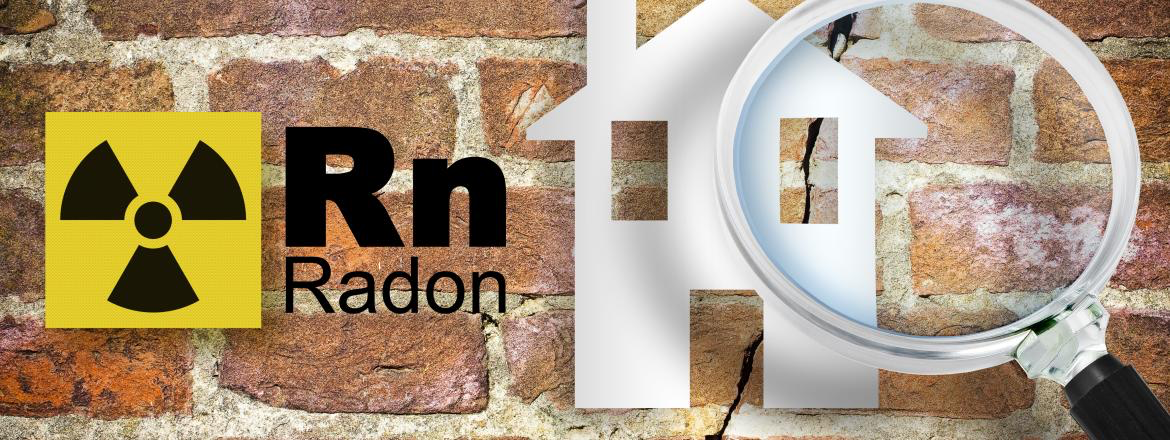
Homeowners across the country are encouraged to take action to protect themselves and their families from the dangers of radon. Radon is a naturally occurring radioactive gas that is the leading cause of lung cancer in non-smokers and is responsible for an estimated 21,000 deaths each year. It is important for homeowners to be aware of the presence of radon in their homes and to take steps to reduce its levels to protect their health and the health of their families.
If you are wondering if radon is a problem in Colorado, the answer is yes. According to the Environmental Protection Agency (EPA), Colorado is in the red zone on the EPA’s radon high levels map, indicating that the state has a high potential for radon levels above the EPA’s action level of 4 picocuries per liter (pCi/L). It is essential for homeowners in Colorado to test their homes for radon and to take steps to reduce its levels if necessary to protect their health. The EPA recommends that all homes be tested for radon, regardless of location, as it is a nationwide problem. Despite its deadly consequences, many homeowners are unaware of the presence of radon in their homes or the signs to look out for.
The first step in protecting your family from the dangers of radon is to be aware of its presence in your home. Since radon is colorless, tasteless, and odorless, it makes it nearly impossible to detect without the use of specialized equipment. It is found in the ground and can enter a home through cracks and gaps in the foundation and well water.
Testing For Elevated Radon Levels
There are several signs of radon presence in a home that homeowners should not ignore. You can detect elevated levels through a radon testing kit, which can be purchased at most hardware stores or online. It is essential to test your home regularly, as radon levels can fluctuate over time. Home testing kits for radon can be a convenient and cost-effective way for homeowners to test for the presence of radon in their homes. However, it is important to note that these kits may not be as reliable as testing by a professional home inspector.
Radon-Related Health Issues
Another sign of radon presence is the presence of unexplained health issues in the home. If family members are experiencing respiratory problems, such as coughing, shortness of breath, or lung infections, it could be a sign of too much radon in the air. It is important to see a doctor to rule out other potential causes of these health issues, but if the cause remains unknown, it is worth considering the possibility of radon.
Radon Entry Through Water Supply
Radon can enter a home through the water supply as well as through the air. Radon can dissolve in water and can be released into the air when the water is used for showering, washing dishes, and other household activities.
If you are concerned about radon in your water supply, there are several steps you can take to reduce your exposure. One option is to use an activated carbon filter, which can help to remove radon from your water. You can also consider using bottled water for cooking and drinking, or installing a point-of-use treatment system, such as a reverse osmosis system, to remove radon from your water.
It is important to note that the levels of radon in water can vary significantly, even within the same geographic area. The only way to know the levels of radon in your water is to have it tested by a certified laboratory. You can contact your local health department or the EPA for information on how to have your water tested for radon.
Radon Emission in Air
When radon is burned in fireplaces, furnaces, heaters, stoves, and water heaters, it can release its progeny, or decay products, into the air. These decay products are small, solid particles that can be inhaled into the lungs, where they can cause damage and increase the risk of lung cancer.
It is important to note that the level of radon and its progeny released during the combustion of natural gas and other fossil fuels is generally low. The primary source of radon exposure in homes and buildings is through the air, as radon can enter through openings in the foundation and accumulate over time.
If you suspect that there may be radon in your home, it is important to take action immediately. The longer you and your family are exposed to radon, the greater the risk of developing lung cancer. There are several steps you can take to reduce the levels of radon in your home.
Install a Radon Mitigation System
One option is to seal any cracks or openings in the foundation, walls, or floors of your home. This will help to prevent radon from entering the home. It is also a good idea to install a radon mitigation system, which will help to reduce the levels of radon in the air. These systems work by drawing radon gas out of the soil and venting it outside, where it is harmless. In addition to these measures, it is important to test your home regularly to ensure that radon levels remain low. If you are planning to sell your home, it is also a good idea to have it tested for radon, as this can affect the sale of the property.
Radon is a serious health threat that should not be ignored. By being aware of the signs of radon presence in your home and taking action to reduce its levels, you can protect yourself and your family from the dangers of this deadly gas. Remember, it is always better to be safe than sorry when it comes to the health and well-being of your loved ones.

Given the highly competitive market which exists in Colorado, you need a real estate agent focused on your needs and able to navigate the fine details of a buyer or seller transaction. Dushica Ostrand....
By Dushica Ostrander – Your Stress-Free Family Move Realtor in Denver MetroYou finally made it. The truck is gone. Boxes are everywhere. You’re exhausted. And your instinct is to start
Selling a home while raising young kids can feel impossible. You clean, turn around for five minutes, and suddenly toys are everywhere again. Add short-notice showings, naps, and school schedules -
Moving with young kids can feel impossible. Toys everywhere, emotional attachments to everything, and somehow more mess appears the moment you start packing. The key isn’t packing faster ;
By Dushica Ostrander – Your Stress-Free Family Move RealtorMoving is stressful for adults — but for kids, it’s a whole new world of emotions.As a mom of three and a realtor who
 The real estate listing information and related content displayed on this site is provided exclusively for consumers’ personal, non-commercial use and may not be used for any purpose other than to identify prospective properties consumers may be interested in purchasing. This information and related content is deemed reliable but is not guaranteed accurate by elevateMLS.
